
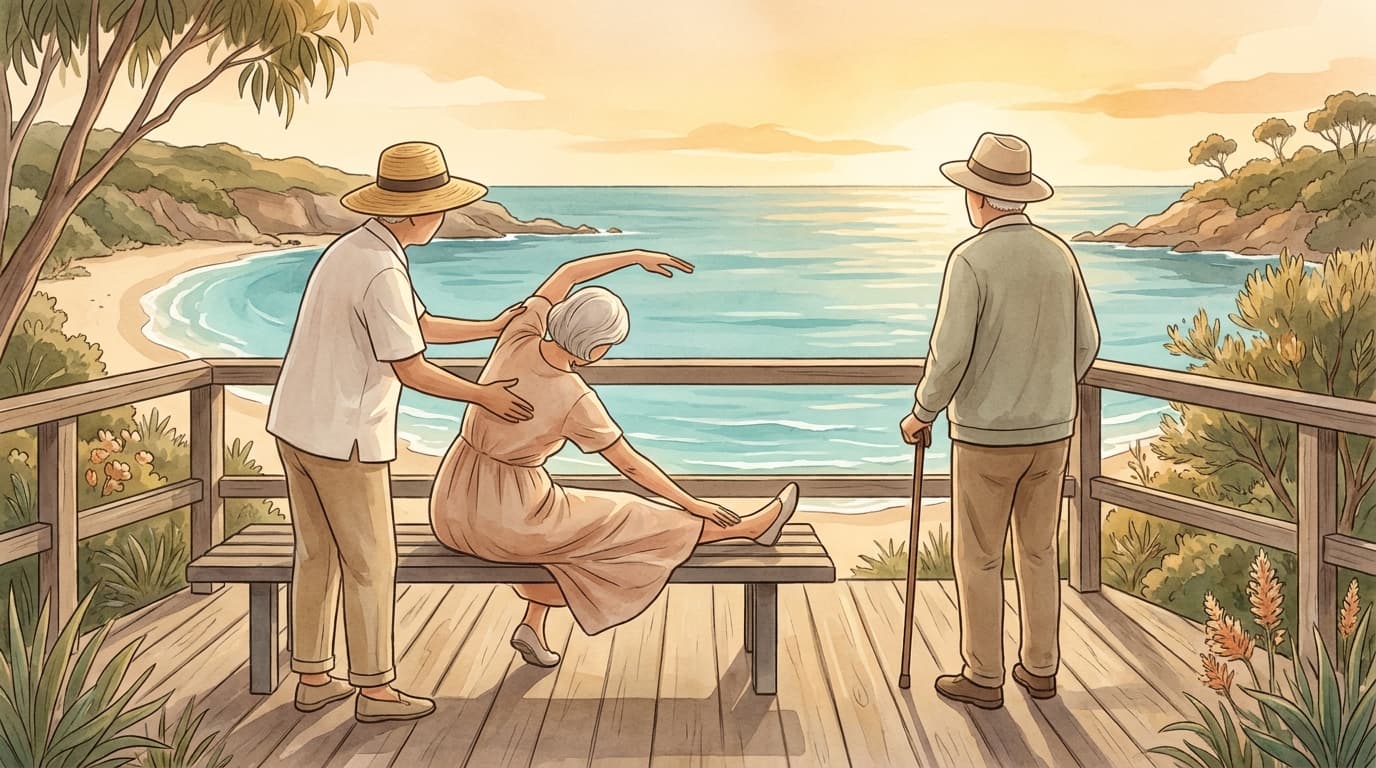
Getting older is something to celebrate. With age comes wisdom, perspective, and often a clearer sense of what truly matters in life. But staying well enough to enjoy those things — to travel, spend time with family, pursue hobbies, and live independently — takes a little planning. One of the simplest and most effective things you can do for your long-term health is to keep up with regular health checks. Each year, the United Nations marks 1 October as the International Day of Older Persons (un.org/en/observances/older-persons-day), a reminder that supporting healthy ageing is everyone's business. At Cronulla Medical Practice, we believe preventive care is just as important as treating illness — and that it's never too late to take a proactive step towards better health.
Why preventive health checks matter more as we age
Our bodies change as we get older. Metabolism slows, bones lose density, blood vessels become less flexible, and the immune system doesn't respond quite as quickly as it once did. Many of the conditions that become more common with age — such as type 2 diabetes, heart disease, osteoporosis, and some cancers — can develop quietly, without obvious symptoms in their early stages. This is exactly why regular health checks are so valuable. They give your GP a chance to spot changes before they become serious problems, and to work with you on keeping those risks as low as possible.
Preventive care isn't about looking for things to worry about. It's about giving yourself the best possible information so you can make good decisions and, where needed, get treatment started early when it's most effective. Think of it as a regular tune-up — the kind that helps keep everything running smoothly for longer.
Key health checks recommended for older Australians
There's no single checklist that suits everyone, because your GP will tailor recommendations based on your personal and family medical history, lifestyle, and any existing conditions. That said, there are several checks that are broadly recommended for adults aged 65 and over. Here's a helpful overview:
- Blood pressure: High blood pressure often has no symptoms but significantly raises the risk of heart attack and stroke. It should be checked at least every one to two years, or more frequently if you have a known history of elevated readings.
- Cholesterol and blood glucose: A simple blood test can check your cholesterol levels and screen for prediabetes or type 2 diabetes. These are typically recommended every one to three years depending on your risk profile.
- Bowel cancer screening: Australians aged 50 to 74 are eligible for a free bowel cancer screening test through the National Bowel Cancer Screening Program. A kit is mailed to your home and the test is done in the privacy of your own bathroom.
- Breast cancer screening: Women aged 50 to 74 are eligible for a free mammogram every two years through BreastScreen Australia. Women over 74 can still access the service on request.
- Cervical screening: Women who have ever been sexually active should have a Cervical Screening Test every five years until the age of 74.
- Prostate health: Men aged 50 and over (or 40 and over with a family history) may wish to discuss a PSA (prostate-specific antigen) blood test with their GP. It's important to have an informed conversation about the benefits and limitations of this test.
- Bone density (DEXA scan): Women over 65 and men over 70 — or younger if you have risk factors — may be referred for a bone density scan to assess osteoporosis risk.
- Eye health: Regular eye checks can detect glaucoma, macular degeneration, and diabetic eye disease. Adults over 65 should have an eye examination at least every two years.
- Hearing: Hearing loss is common but frequently goes unaddressed. A hearing check can help identify any changes and explore options early.
- Vaccinations: Flu shots annually, a shingles vaccine (Shingrix) for those 65 and over, pneumococcal vaccine, and keeping your tetanus booster up to date are all worth discussing with your GP.
- Cognitive health: If you or someone close to you has noticed changes in memory or thinking, it's worth raising this with your GP. Early assessment can open doors to support and planning.
Did you know? Australians aged 75 and over are eligible for a free 75+ Health Assessment with their GP. This is a dedicated, comprehensive appointment to review your overall health, medications, and any support needs — and it's fully covered by Medicare. Ask us about booking yours.
Staying active and connected — it's part of your health too
Health isn't only about what shows up in blood test results. Physical activity, mental wellbeing, social connection, and a safe home environment all play a significant role in how well older Australians live. Research consistently shows that regular physical activity — even gentle movement like walking, swimming, or tai chi — helps maintain muscle strength, balance, bone density, and mood. Australia's physical activity guidelines recommend that adults over 65 aim for at least 30 minutes of moderate activity most days, along with activities that build strength and improve balance at least twice a week.
Social connection matters just as much. Loneliness and social isolation are associated with increased risks of depression, cognitive decline, and poorer physical health outcomes. If you've noticed you're spending more time alone than you'd like, it's worth talking to your GP — there are community programmes, social groups, and referral pathways that can help. Here in Cronulla, there are many local opportunities to stay active and engaged, from walking groups along the beachfront to community centre programmes designed specifically for older adults.
A few practical steps you can take right now
It can feel overwhelming to think about all of this at once, so it helps to break things down into simple, manageable actions. Here are a few things you can do in the next week or two:
- Book a GP appointment and ask for a general health review — bring a list of any concerns, symptoms, or questions you'd like to discuss.
- Check your letterbox or email for your bowel cancer screening kit if you're between 50 and 74. If you haven't received one, ask your GP or visit the National Bowel Cancer Screening Program website.
- Write down all the medications, vitamins, and supplements you're currently taking and bring the list to your next appointment. This helps your GP check for any interactions.
- Ask a trusted family member or friend to accompany you to appointments if you'd like support — another set of ears can be really helpful.
- Look into local community activities in Cronulla or the Sutherland Shire area that suit your interests and mobility level.
- Check your home for fall hazards — loose rugs, poor lighting, or slippery surfaces in the bathroom. A simple home safety review can prevent a serious injury.
Falls are the leading cause of injury-related hospitalisation for older Australians. Your GP can refer you to a falls prevention programme and assess any medications that may affect your balance or coordination.
Your GP is your partner in healthy ageing
Good health in later life doesn't happen by accident, but it doesn't have to be complicated either. Having a GP you know and trust — someone who understands your full health picture — makes a real difference. Regular check-ins mean that any changes in your health are noticed early, your medications are reviewed periodically, and you have someone in your corner helping you navigate the healthcare system when you need it.
At Cronulla Medical Practice, we're here to support patients at every stage of life. Whether you're due for a routine check, have a concern you've been putting off, or simply want to take a more proactive approach to your health this year, we'd love to help. Preventive care is one of the greatest gifts you can give yourself — and those who love you.
Ready to take that first step? Contact Cronulla Medical Practice today to book an appointment with one of our GPs. We're conveniently located in Cronulla and welcome patients of all ages. Whether you'd like a comprehensive health review, a specific screening, or just a chat about where to start — we're here for you.